Driveway cleaning options near Grahame Park and Burnt Oak
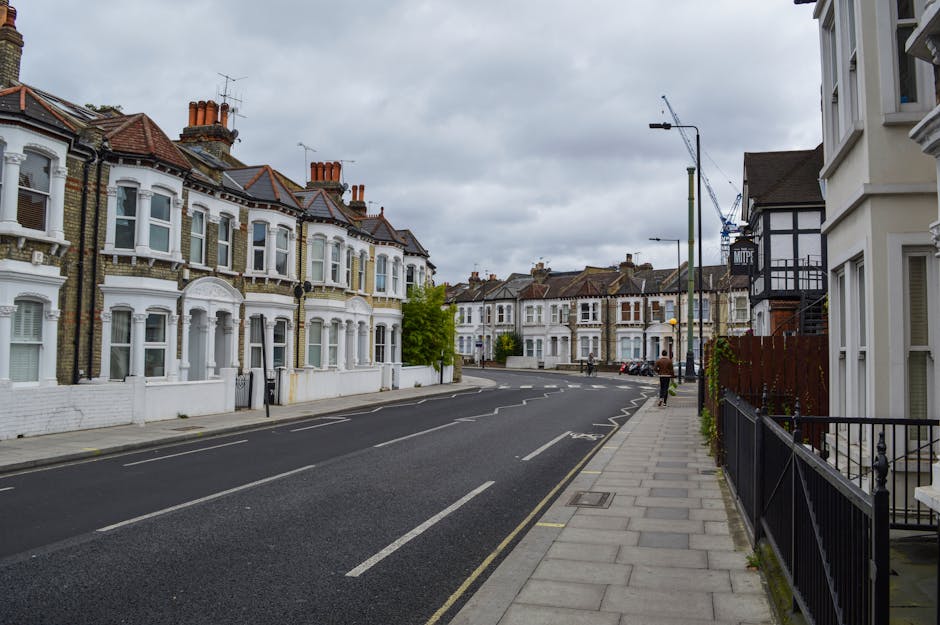
If your driveway is starting to look tired, patchy, or stubbornly green around the edges, you are not alone. In busy local streets near Grahame Park and Burnt Oak, driveways pick up grime quickly: oil drips, moss, tyre marks, leaf staining, chewing gum, and the general film that London weather loves to leave behind. The good news is that there are several driveway cleaning options near Grahame Park and Burnt Oak, and the right one depends on the surface, the amount of staining, and how much time and effort you want to put in.
This guide breaks down the practical choices, what they are best for, and how to avoid common mistakes. You will also get a simple step-by-step process, a comparison table, and a realistic checklist you can use before booking anyone in or doing it yourself.
Why Driveway cleaning options near Grahame Park and Burnt Oak Matters
A driveway is one of the first things people notice about a property. That sounds obvious, but it matters more than most people think. A clean driveway can make the whole front of a home feel sharper, better cared for, and honestly a little more welcoming. A neglected one does the opposite, even if the rest of the property is spotless.
Near Grahame Park and Burnt Oak, you tend to see a mix of paving types: block paving, concrete, resin-bound surfaces, tarmac, and sometimes older stone finishes. Each reacts differently to dirt and moisture. Moss and algae can hold onto water, which makes the surface slippery. Oil spots soak in. Jointing sand gets washed out. And once staining settles in, it becomes harder to shift with casual scrubbing.
That is why choosing the right approach matters. A quick rinse might be enough for light dust and surface debris. For deeper staining, you may need a proper pre-treatment, pressure washing, or a soft wash method. Use the wrong method, though, and you can cause etching, strip out sand, or leave the driveway looking patchy. Not ideal, to be fair.
Expert summary: The best driveway clean is not always the strongest clean. It is the one matched to the surface, the stain type, and the finish you actually want to preserve.
If you are already comparing home cleaning services and property care options, it can also help to look at the broader approach a company takes. Pages like about the company, insurance and safety, and health and safety practices are useful markers of how seriously they handle jobs on site.
How Driveway cleaning options near Grahame Park and Burnt Oak Works
Most driveway cleaning follows a similar logic, even when the technique changes. First, the surface is assessed. Then debris is removed. Next comes treatment for stains or growth. After that, the driveway is cleaned using the selected method, and finally the surface is checked for missed areas, drainage issues, and any sand or joint repair needed.
For a simple clean, the process might be straightforward: sweep, pre-wet, wash, rinse. For a more demanding job, the operator may use a detergent, moss treatment, rotary surface cleaner, and a careful rinse pattern to keep the finish even. The aim is not just to blast dirt away. It is to clean consistently without turning one section into a bright rectangle and the next into a dull one. Yes, that happens more often than you would think.
Here is the practical difference between common driveway cleaning approaches:
- Manual cleaning: Brushing, scrubbing, and rinsing by hand. Good for light dirt and small areas.
- Pressure washing: Uses a high-pressure stream of water to lift grime, algae, and surface staining.
- Soft washing: Lower-pressure application with cleaning agents, often better for delicate finishes and biological growth.
- Rotary surface cleaning: A more even method that helps avoid streaking on larger driveways.
- Stain-specific treatment: Helpful for oil, rust, tyre marks, and organic staining that needs a little persuasion.
Different surfaces call for different handling. Block paving often benefits from controlled pressure and a resand afterwards. Resin-bound driveways usually need a gentler touch. Tarmac needs care because over-aggressive washing can roughen the binder. Concrete is tough, but it can still show tiger stripes if the clean is rushed.
If you are thinking beyond the driveway and want a company that treats cleaning as a professional trade rather than a quick blast with a machine, browsing related services such as steam carpet cleaning or stain removal can give you a sense of the level of detail and stain-handling mindset that often matters on exterior work too.
Key Benefits and Practical Advantages
A proper driveway clean is about more than appearance, though the visual lift is a big part of it. Done well, it improves safety, helps protect the surface, and reduces the slow buildup of grime that becomes harder to tackle later.
- Better kerb appeal: A tidy, evenly cleaned driveway makes the whole front of a property look more cared for.
- Reduced slip risk: Moss, algae, and wet grime can make paths and driveways slippery, especially in colder months.
- Longer surface life: Cleaning helps reduce the kind of buildup that can damage or stain paving over time.
- Easier maintenance later: Regular cleaning is usually easier and cheaper than letting everything harden into the surface.
- Improved drainage visibility: You can spot blocked joints, sunken areas, or pooling water more easily after a clean.
There is also a quiet psychological benefit. You walk out in the morning, notice the front of the house looks crisp, and the whole place feels a bit lighter. A small thing, perhaps, but it does change how a home feels day to day.
If you are in a mixed-use property or managing several units nearby, commercial-level upkeep can also matter. In that case, services like commercial carpet cleaning may seem unrelated on the surface, but they sit within the same broader idea: keeping a property presentable, hygienic, and well maintained.
Who This Is For and When It Makes Sense
Driveway cleaning makes sense for a lot of people, not just those with visibly dirty paving. In fact, the best time to clean is often before the surface starts looking properly neglected.
This guide is especially relevant if you:
- own a block-paved, concrete, resin, tarmac, or stone driveway;
- have moss, algae, or lichen returning after wet weather;
- notice oil, brake fluid, or engine-related staining;
- are preparing a home for sale or rental viewing;
- want to reduce slips at the front of the property;
- manage a shared parking area and need a cleaner, safer finish.
It is also sensible if the driveway sits under trees, near hedging, or on a shaded side of the property. Those spots stay damp longer, so growth returns faster. Shade is lovely in summer, less lovely when it turns your driveway green. Let's face it.
For some households, the decision is seasonal. After winter, the driveway may show salt residue, moss, and muddy tracks. In spring or early summer, a thorough clean can reset the front of the property and make maintenance easier for the rest of the year.
If you are already sorting other household deep-cleaning tasks, you may also want to coordinate external cleaning with interior cleaning. For example, sofa cleaning or upholstery cleaning might be worth booking around the same time for a broader refresh.
Step-by-Step Guidance
If you want the clean to go smoothly, a bit of preparation helps. Here is a sensible workflow that works for most homes around Grahame Park and Burnt Oak.
- Inspect the driveway surface. Check for loose blocks, cracks, weeds, oil spots, and any areas where water already pools.
- Sweep away loose debris. Leaves, grit, and stones can get in the way and make the clean uneven.
- Identify the main problem. Is it general dirt, moss, oil, black spots, tyre marks, or something else? Different stains need different treatment.
- Choose the right method. Pick pressure washing, soft washing, or a combined approach based on the surface.
- Apply pre-treatment where needed. Grease and algae often respond better when you give the cleaner a few minutes to work.
- Clean in controlled passes. Keep the movement steady so the finish remains consistent.
- Rinse thoroughly. Residue left behind can attract dirt again and leave marks.
- Re-sand block paving if necessary. This helps stabilise joints and restore the finished look.
- Let the driveway dry fully. A driveway can look slightly different when wet, so judge the finish once it has dried.
Simple enough on paper, but the detail matters. A rushed clean may get the surface wet and bright, yet still leave algae in the joints or strip out too much jointing sand. That is why the process matters as much as the equipment.
Expert Tips for Better Results
A few small decisions make a surprisingly big difference. In our experience, the best outcomes come from being patient at the start rather than aggressive at the end.
- Test a small area first: Especially on older paving, a patch test helps you see how the surface reacts.
- Work with the weather: A dry, mild day is usually easier than a freezing morning or a day with sudden heavy rain.
- Use the least aggressive method that works: This is a good rule for almost every driveway surface.
- Deal with stains separately: Oil and rust often need targeted treatment instead of more pressure.
- Protect nearby surfaces: Windows, painted edges, planting beds, and garage doors can all be affected if water is sprayed carelessly.
- Plan for aftercare: Re-sanding, sealing, or simple periodic sweeping can keep results looking better for longer.
One practical habit I would strongly recommend: stand back every so often and look at the whole driveway from the road, not just close up. Up close, a stain can look like the end of the world. From five metres away, the finish may already be perfectly acceptable. Perspective helps.
If you want to see how a provider presents its working standards, take a look at pages like recycling and sustainability and payment and security. They do not clean the driveway for you, of course, but they do tell you a lot about how the business operates.
Common Mistakes to Avoid
Most driveway cleaning problems are avoidable. The tricky part is that the mistake often looks like progress while it is happening. The surface gets lighter, the water runs away, and then later you notice streaks, joint loss, or fresh weeds popping through.
- Using too much pressure: This can damage the surface or blow out jointing sand.
- Ignoring the stain type: Oil, algae, rust, and mud all behave differently. One solution rarely handles them all.
- Cleaning on a hot, bright day without planning: Solutions can dry too quickly and leave marks.
- Forgetting to resand block paving: That can leave joints weak and the finish incomplete.
- Overlooking drainage and runoff: Dirty water should not be left pooling where it can cause problems.
- Assuming every surface can be treated the same way: Resin, tarmac, and stone each need their own approach.
A small but common error is cleaning only the visible centre section and skipping edges, corners, and the strip by the garage door. After the surface dries, those missed areas stand out immediately. A bit annoying, that one.
Tools, Resources and Recommendations
If you are doing a driveway clean yourself, you do not need a van full of specialist gear, but you do need the right basics. Going in underprepared usually creates more work later.
| Tool or material | What it helps with | Why it matters |
|---|---|---|
| Stiff broom or sweeping brush | Removing loose dirt, leaves, and grit | Prevents debris from being pushed around during washing |
| Pressure washer or surface cleaner | Cleaning large paved areas | Helps produce a more even finish |
| Appropriate cleaner | Algae, oil, or general staining | Improves results without relying on brute force |
| Protective gloves and eyewear | Safe handling of cleaning products and spray | Small precaution, big difference |
| Jointing sand | Block paving after washing | Restores stability and appearance |
If you are hiring rather than doing it yourself, ask what method they use, how they deal with staining, and whether they include re-sanding where relevant. That last point is easy to miss, but it matters. Also ask about pricing structure in advance; transparent cost information is a strong sign you are dealing with a well-run business. The dedicated pricing and quotes page is useful for understanding what to expect before you proceed.
Law, Compliance, Standards, or Best Practice
Driveway cleaning is not usually a heavily regulated activity in the way that some specialist trades are, but best practice still matters. In the UK, property care work should be carried out with attention to safety, sensible chemical use, and responsible runoff management.
That means a few simple things in practice:
- avoid letting dirty water, oily residue, or heavy chemical run-off enter places where it can cause nuisance or damage;
- use cleaning products in line with the manufacturer's guidance;
- handle electrical equipment carefully around water;
- wear suitable PPE where needed;
- check for slip hazards while the surface is still wet.
For businesses or landlords, record-keeping and risk awareness are sensible too. If a driveway is used by tenants, staff, or visitors, the condition of the surface is not just cosmetic. It becomes part of general property safety. A company that publishes clear policies, such as terms and conditions and a complaints procedure, usually gives you a better sense of accountability. That is reassuring, and rightly so.
Options, Methods, or Comparison Table
Not every driveway needs the same approach. The table below gives a practical comparison of the main cleaning options you are likely to consider near Grahame Park and Burnt Oak.
| Method | Best for | Strengths | Watch-outs |
|---|---|---|---|
| Manual cleaning | Light dirt, small areas, delicate spots | Controlled, low risk, inexpensive in equipment terms | Time-consuming; limited impact on deep staining |
| Pressure washing | Most standard paved driveways | Fast, effective on surface grime and growth | Can damage soft surfaces or remove sand if overused |
| Soft washing | Biological growth, sensitive finishes | Gentler on the surface; good for preventative cleaning | May need more dwell time and follow-up rinsing |
| Rotary surface cleaning | Larger driveways and more even results | Produces a more uniform finish | Still needs correct technique and surface awareness |
| Stain-targeted treatment | Oil, rust, tyre marks, and stubborn marks | Addresses problem areas more effectively | Not always enough on its own for very old staining |
In plain English: if your driveway is mostly dirty, clean it. If it has specific problem marks, treat those first. If the surface is older or more fragile, go gentler. It is not rocket science, but it does reward a bit of judgment.
Case Study or Real-World Example
Here is a realistic example from a typical home in the area. A block-paved driveway had a mix of winter moss, muddy tyre tracks, and one stubborn oil mark near the parking bay. The homeowner had tried a hose and a scrubbing brush first. It brightened the surface slightly, but the edges still looked dark and the joints had gone loose in places.
The better approach was to sweep the drive, apply a suitable pre-treatment to the mossy and oily areas, use controlled pressure with an even pass pattern, and then re-sand the block paving after drying. The oil mark did not disappear completely, because old oil can be a bit of a menace, but it was significantly less noticeable. More importantly, the whole driveway looked even rather than patchy.
That evenness is what most people actually want. Not a perfect showroom finish. Just clean, tidy, and believable. The sort of result that looks natural from the pavement and does not scream, "I attacked this with a hose at 7 a.m."
For households that also care about upholstery or fabric cleaning indoors, there is a similar principle at work. Service pages like rug cleaning or pet stain and odour removal show how targeted treatment often beats brute force. Different surface, same mindset.
Practical Checklist
Use this quick checklist before booking a driveway clean or starting one yourself.
- Confirm the driveway surface type: block paving, resin, concrete, tarmac, or stone.
- Look for cracks, loose edging, sunken areas, or damaged joints.
- Identify the main issue: algae, oil, dirt, rust, weeds, or tyre marks.
- Check whether nearby walls, windows, or plants need protection.
- Ask what cleaning method will be used and why.
- Find out whether re-sanding is included if the driveway is block paved.
- Make sure runoff and drainage are handled sensibly.
- Ask about drying time and any aftercare advice.
- Review pricing clearly before work starts.
- Take a quick before photo so you can compare results properly later.
That last one sounds simple, but it helps. Memory is slippery. Photos are not.
Get a free quote today and see how much you can save.
Conclusion
The best driveway cleaning options near Grahame Park and Burnt Oak are the ones matched to your surface, your stains, and your expectations. Sometimes that means a straightforward pressure wash. Sometimes it means a gentler soft wash, careful pre-treatment, and a tidy re-sand afterwards. The important thing is to avoid treating every driveway the same way.
If you take one thing from this guide, make it this: a clean driveway should look even, safe, and properly finished, not just washed. That is the difference between a quick rinse and a proper result. And if you are still weighing up your options, take your time. A good choice now usually saves time, mess, and frustration later.
For anyone comparing broader home-cleaning support, it can also be useful to review service standards on pages like carpet cleaning and steam carpet cleaning. A careful company tends to be careful everywhere. That usually shows.
And really, a well-kept front drive does something nice for a home. It quietly says the place is looked after. No fuss, no drama. Just tidy, solid, and ready for the next rainy day.
Frequently Asked Questions
What is the best driveway cleaning option for a block-paved driveway?
For most block paving, a controlled pressure wash with the right pre-treatment and re-sanding afterwards is a strong option. The key is not to use excessive pressure, because that can wash out the jointing sand and leave the surface looking uneven.
Is pressure washing safe for every driveway?
No. Pressure washing is effective, but not every surface handles it well. Resin-bound surfaces, older tarmac, and some natural stone finishes may need a gentler method or a lower-pressure approach to avoid damage.
How often should a driveway be cleaned near Grahame Park and Burnt Oak?
There is no one-size-fits-all answer. Many driveways benefit from cleaning once a year, while shaded, damp, or tree-lined properties may need attention more often. If moss or algae returns quickly, a more regular maintenance plan makes sense.
Can driveway cleaning remove oil stains completely?
Sometimes it can, but not always. Fresh oil is much easier to treat than older, soaked-in staining. A targeted stain treatment can improve the look significantly, although very old marks may only fade rather than disappear entirely.
Do I need to re-sand block paving after cleaning?
Usually, yes. If the washing process has removed some of the jointing sand, re-sanding helps stabilise the blocks and keeps weeds from taking hold as easily. It also improves the finished look.
What is soft washing, and when is it used?
Soft washing uses lower pressure and cleaning solutions to treat dirt and biological growth more gently. It is often a better choice for delicate surfaces or situations where the main issue is algae, moss, or lichen rather than heavy surface grime.
Will driveway cleaning damage plants or nearby walls?
It can if it is done carelessly. Good practice includes protecting nearby planting, avoiding splashing on delicate surfaces, and using cleaning products carefully. This is one reason preparation matters so much.
Can I clean my driveway myself?
Yes, if the area is fairly small and the staining is light. A DIY clean can work well with the right tools and a careful approach. For larger areas, stubborn marks, or delicate surfaces, a professional method is often the safer bet.
How long does a driveway take to dry after cleaning?
Drying time depends on the weather, the surface type, and how much water was used. A bright, breezy day will usually dry faster than a cool, damp one. It is best to wait until the driveway is fully dry before judging the final finish.
What should I ask before booking a driveway cleaning service?
Ask what method they use, whether they include stain treatment, whether block paving will be re-sanded, how they manage runoff, and how pricing works. Clear answers usually mean fewer surprises later.
Is driveway cleaning just cosmetic?
No. It is partly cosmetic, of course, but it also helps with slip reduction, surface maintenance, and spotting issues such as drainage problems or damaged joints before they become more expensive to fix.
Where can I check a company's policies before booking?
Look for clear information on areas like insurance and safety, privacy policy, and terms and conditions. Those pages help you judge how transparent and professional the business is.