Grahame Park Estate Carpet Cleaning Guide for Colindale
If you live in Grahame Park Estate and your carpets are looking a little tired, you are not alone. Between busy family life, muddy shoes, pet accidents, and the odd spill that somehow lands upside down on the light carpet, floors in Colindale homes can take a beating. This Grahame Park Estate carpet cleaning guide for Colindale walks you through what matters, how carpet cleaning works, when to tackle jobs yourself, and when it makes sense to bring in a specialist.
Truth be told, good carpet care is not just about making things look nicer for guests. It helps reduce wear, keeps fibres healthier for longer, and can make a room feel fresher in a way you notice straight away. Let's face it, there is something deeply satisfying about walking into a room that smells clean and feels soft underfoot.
In this guide, you will find practical advice for flats and family homes around Grahame Park Estate, plus helpful pointers on stains, drying times, cleaning methods, and choosing a service you can trust. If you want to understand the process properly before booking, you are in the right place.
- Why it matters in Grahame Park Estate
- How the cleaning process works
- Key benefits and practical advantages
- Who this guide is for
- Step-by-step guidance
- Expert tips for better results
- Common mistakes to avoid
- Tools, resources and recommendations
- Law, compliance and best practice
- Options and methods compared
- Real-world example
- Practical checklist
- Frequently asked questions
Why Grahame Park Estate carpet cleaning guide for Colindale Matters
Carpets do a lot of invisible work. They soften footsteps, make rooms feel warmer, and help a home feel settled rather than echoey and bare. But they also trap dust, grit, pollen, pet hair, and everyday debris. In a busy estate like Grahame Park, where people move in and out, bring in shopping bags, push buggies, or come home after a wet day in London, carpets can start to look dull quite quickly.
That dullness is not only cosmetic. Grit works its way deep into the pile and acts like sandpaper. Over time, that can flatten fibres, roughen the texture, and shorten the life of the carpet. You might not see the damage day to day, but you will feel it underfoot eventually.
There is also the hygiene side. Spills left too long can settle into the backing, and odours can linger if moisture is trapped. A small patch of milk, a pet accident, or a bit of food ground in after a late-night snack can become a bigger problem than it first looked. Not dramatic, just annoying. And expensive if ignored.
For Colindale residents, timing matters too. In flats and shared corridors, the journey from the front door to the carpet is often where the mess begins. Wet weather, delivery traffic, and high footfall all add up. Regular carpet maintenance helps keep the home more pleasant and can reduce the need for heavy restoration later.
Expert takeaway: the best carpet care is usually steady and preventative, not occasional panic-cleaning after a stain has had time to settle.
How Grahame Park Estate carpet cleaning guide for Colindale Works
There are several ways carpets are cleaned, but the process usually follows the same basic pattern: inspect, pre-treat, agitate, extract, dry, and check. The exact tools and chemicals vary depending on the fibre type, the level of soiling, and whether there are stains or odours to deal with.
A professional carpet cleaning service will normally begin by looking at the carpet closely. Is it wool, synthetic, or a blend? Are there signs of wear, colour loss, or previous DIY attempts? These details matter more than most people think. A wool carpet, for example, needs a more careful touch than a hard-wearing synthetic hallway runner.
Pre-treatment comes next. This is where targeted solutions are applied to loosen soil, lift greasy spots, or help with specific stains. For homes dealing with strong marks or lingering smells, specialist stain removal and pet stain odour removal may be part of the process. The aim is not just to make the carpet look cleaner, but to remove the mess at source.
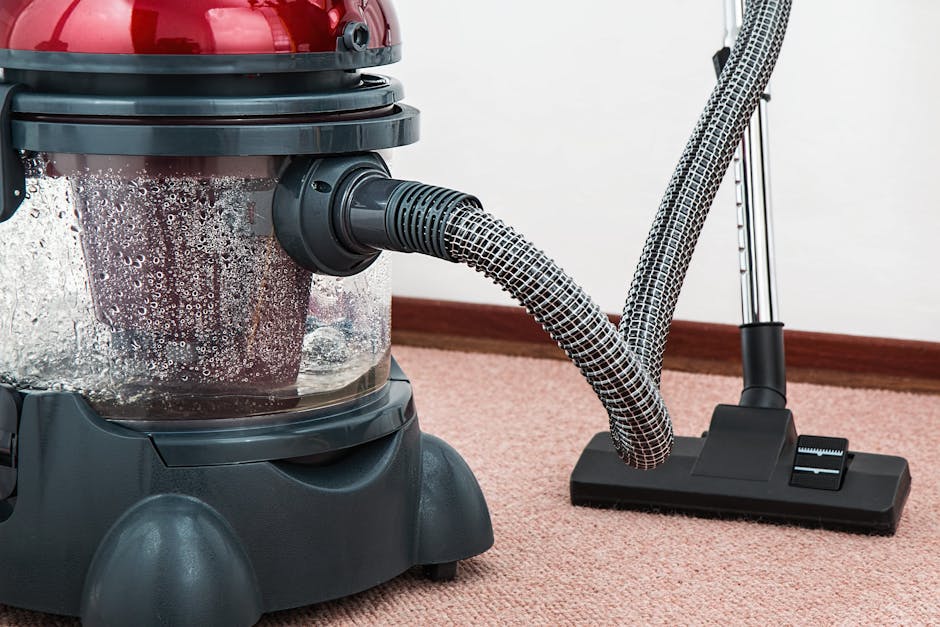
Then comes agitation. That may sound a bit industrial, but it simply means working the cleaning solution into the fibres so it can do its job. After that, the soil and solution are extracted, often with heated water or a steam-based approach. If you want a deeper look at this style of cleaning, the steam carpet cleaning approach is often the method people ask about first, especially for embedded dirt and long-standing dullness.
Drying is the part people often underestimate. If you put too much moisture into a carpet and do not remove it properly, you can end up with musty smells, slow drying, or a carpet that feels slightly stiff. Good extraction and sensible airflow make a huge difference. Honestly, this is where the good jobs separate themselves from the rushed ones.
Key Benefits and Practical Advantages
Well-cleaned carpet gives you more than a nice before-and-after photo. The benefits are practical, everyday benefits, the sort you notice while making tea or padding across the room barefoot on a Sunday morning.
- Better appearance: fibres look brighter, patterns are clearer, and rooms feel fresher.
- Improved comfort: properly cleaned carpets usually feel softer and more even underfoot.
- Reduced odours: spills, pet smells, and stale indoor build-up are less likely to hang around.
- Longer carpet life: regular cleaning removes abrasive soil before it damages fibres.
- Better household routine: once you know the system, it is easier to stay on top of maintenance.
- More confidence before guests or inspections: a clean floor quietly lifts the whole space.
There is also a mental benefit, to be fair. A carpet that looks cared for can make the whole home feel more settled. That matters if you work from home, have children playing on the floor, or simply do not want the place to feel half-finished.
For landlords, tenants, and property managers around Colindale, routine carpet care can also reduce avoidable complaints. A well-maintained carpet usually makes handovers smoother. Not always, but often enough to be worth it.
Who This Is For and When It Makes Sense
This guide is for anyone in or around Grahame Park Estate who wants a cleaner, healthier-looking carpet without guesswork. It is especially useful if you have one of the following situations:
- a family home with heavy daily footfall
- a rental property that needs a presentable finish
- a pet that has left odours or recurring marks
- young children, where spills and crumbs are basically part of life
- allergy concerns, where dust and fine debris are a nuisance
- a carpet that has not been professionally cleaned for a long time
It also makes sense if you are comparing DIY and professional cleaning and want to choose sensibly rather than just buying a machine because it was on offer. We have all done that once. Sometimes twice.
If the carpet has light surface dust only, regular vacuuming may be enough for the moment. But if you notice flattening, grey traffic lanes, stubborn spots, or a smell that seems worse when the room is warm, it is time to do more than vacuum and hope for the best.
Step-by-Step Guidance
Here is a practical way to approach carpet cleaning in a Grahame Park Estate home without overcomplicating it.
1. Start with a proper vacuum
Do not skip this. Vacuum slowly and in overlapping passes, especially in hallways, living rooms, and around sofas. Grit is the enemy. If you remove dry soil first, the wet cleaning stage works much better.
2. Identify the carpet fibre
Check whether the carpet is wool, synthetic, or a mixed fibre. If you are unsure, test a hidden corner carefully or ask for advice before applying anything. Different fibres react differently to moisture, heat, and cleaning solutions.
3. Deal with stains before general cleaning
Spot treatment is usually more effective than trying to clean everything at once. A red juice stain, for example, needs a different approach from greasy food or pet urine. Use the right method for the problem, not the first thing you find under the sink. That is where DIY jobs go sideways.
4. Choose the right cleaning method
For light refreshes, a low-moisture approach may be enough. For deeper soil, a hot water extraction or steam-based method can be more effective. For delicate rugs, you might want a gentler process entirely. If the same home also has fabric seating that needs attention, upholstery cleaning can be planned alongside carpet care to keep the whole room consistent.
5. Control moisture and drying time
Open windows where practical, use airflow, and avoid walking on the carpet until it is fully dry. In a London flat, drying can take a bit longer in winter, especially if windows are barely open and the heating is on low. That is normal. A little patience helps.
6. Finish with a final inspection
Once dry, check for patchy areas, missed edges, or stains that have reappeared after drying. Some marks need a second pass. That does not necessarily mean the process failed; some stains are just stubborn little things.
Expert Tips for Better Results
Small details make a huge difference. Here are the habits that tend to separate average carpet care from genuinely good results.
- Act fast on spills. The first ten minutes matter more than most people think.
- Blot, don't rub. Rubbing drives the stain deeper and roughs up the pile.
- Use minimal product first. You can always repeat a gentle process, but too much cleaner can leave residue.
- Test hidden areas. Even a reliable product can behave oddly on a specific fibre.
- Focus on traffic lanes. Entrances, hallways, and the route from sofa to kitchen usually need extra attention.
- Plan around weather. Drying is easier on a brighter, breezier day.
A small practical tip from experience: keep a clean white cloth, a bowl of lukewarm water, and a mild approved spot-treatment method ready before you start. It avoids that frantic kitchen-drawer rummage when a stain is already spreading. We have all been there, honestly.
For homes with recurring pet issues, it is better to address the odour source rather than trying to perfume over it. A carpet can smell clean and still hold a stubborn problem deeper down. That is where a dedicated pet stain odour removal approach can make a real difference.
Common Mistakes to Avoid
Some carpet problems get worse because of a simple, avoidable mistake. Here are the usual culprits.
- Using too much water: this slows drying and can leave moisture deep in the backing.
- Scrubbing hard at stains: it can spread the mark and distort the fibres.
- Skipping pre-vacuuming: wet cleaning dirt without removing dry soil first is a bit pointless, really.
- Mixing products: this can cause residue, damage, or an unpleasant chemical smell.
- Ignoring fibre type: what works on a synthetic carpet may be too harsh for wool.
- Overlooking edges and corners: these are the places where grime quietly builds up.
One more thing: do not assume a carpet is clean just because it looks better while still wet. Many stains come back when the fibres dry. That is not uncommon, and it is frustrating, but it is part of the reality of carpet work.
If you need a deeper, more general reference for floor care, the main carpet cleaning service page can be useful for understanding the type of work typically involved.
Tools, Resources and Recommendations
You do not need a huge kit to keep carpets in decent shape. The basics often win.
| Tool or approach | Best for | Notes |
|---|---|---|
| Vacuum cleaner with decent suction | Routine maintenance | Use slowly and regularly, especially on stairs and edges. |
| Microfibre cloths | Blotting spills | Good for lifting moisture without spreading it. |
| Gentle spot treatment | Fresh stains | Always test first in a hidden area. |
| Carpet extraction cleaning | Deep cleaning | Useful for heavier soil and refreshed appearance. |
| Professional steam-based cleaning | Embedded dirt and odours | Often chosen for busy homes and larger carpeted areas. |
If you are comparing methods, also think about the rest of the room. Carpets, sofas, rugs, and curtains all hold dust and odours differently. A carpet can look much better, but if the sofa or rug is still carrying smells, the room will not feel fully refreshed. That is why many households pair carpet work with rug cleaning or sofa cleaning when it makes sense.
Law, Compliance, Standards, or Best Practice
For most homeowners, carpet cleaning is straightforward. Still, there are a few practical standards and responsibilities worth keeping in mind, especially if you are hiring someone into your home or managing a rental property.
In the UK, good practice means using suitable products, handling cleaning agents carefully, and making sure work areas are safe to walk through. If you are booking a service, it is sensible to ask about insurance, safety procedures, and how the team manages access, pets, and drying time. The details matter more than people sometimes expect.
If you want a clearer sense of how a provider approaches safety and responsibility, pages such as health and safety policy and insurance and safety are useful places to review. They help set expectations, particularly in shared buildings or properties with vulnerable residents, children, or pets.
Payment transparency also matters. Before booking, check the pricing structure, any minimum charges, and what is included. A proper written quote is usually better than vague estimates over the phone. You can review pricing and quotes to understand how the service is presented, and terms and conditions for the usual booking framework.
If you care about environmental impact, it is worth asking whether low-waste practices or responsible disposal are part of the service. Some customers prefer a lighter environmental footprint, and that is fair enough. The recycling and sustainability page is relevant if that is a priority for you.
Options, Methods, or Comparison Table
There is no single best method for every carpet. The right choice depends on fibre type, level of soil, drying time, and the kind of result you want.
| Method | Strengths | Trade-offs | Best use |
|---|---|---|---|
| Light DIY spot cleaning | Quick, inexpensive, handy for fresh marks | Risk of residue or spreading stains | Small spills caught early |
| Low-moisture cleaning | Fast drying, suitable for maintenance | May not remove deep soil | Routine freshening between deeper cleans |
| Hot water extraction / steam cleaning | Strong deep-clean effect, good soil removal | Longer drying time, not ideal for every fibre | Busy family homes, deeper restoration |
| Specialist stain treatment | Targets specific marks and odours | Not always a standalone full clean | Food, drink, pet-related and stubborn stains |
If you are unsure, think about what you are trying to solve. A single coffee spill is not the same as a carpet that has gone flat in the hallway from years of traffic. Different problems, different answers. Simple enough, but easy to overlook in the rush.
Case Study or Real-World Example
Here is a realistic example based on the kind of situation many Grahame Park Estate residents face.
A two-bedroom flat had a living room carpet that looked patchy near the sofa and darker along the route to the kitchen. There was also a faint pet smell that became more obvious in the evening. Nothing catastrophic. Just that slightly tired, lived-in look that makes the room feel older than it is.
The cleaning plan started with a full vacuum, then targeted treatment of a couple of small food marks and a pet-related area near the doorway. A deeper extraction clean followed, with extra attention to the traffic lanes and the room edges. Drying was helped by open windows and a fan, and the tenant avoided walking on the carpet until the next morning.
The result was not magic. That would be silly. But the carpet looked more even, the room felt fresher, and the odour problem was reduced enough to make the flat feel properly comfortable again. The main lesson? Small issues are easier to deal with before they become part of the background.
In that kind of home, a combined approach can work well, especially if you are also thinking about other fabrics in the room. A coordinated curtain cleaning or upholstery cleaning appointment can create a much more complete refresh.
Practical Checklist
Use this quick checklist before, during, or after carpet cleaning in your Grahame Park Estate home.
- Vacuum thoroughly before any wet cleaning.
- Identify the carpet fibre if possible.
- Test any cleaning product in a hidden spot.
- Blot spills rather than rubbing them.
- Treat stains before deep cleaning.
- Keep moisture levels sensible.
- Allow enough time for drying.
- Check edges, corners, and traffic lanes.
- Deal with pet smells at the source, not just the surface.
- Review safety, insurance, and pricing before booking a professional service.
That list sounds basic, but basic is good. Basic saves money and prevents headaches.
Conclusion
A good carpet cleaning routine in Grahame Park Estate is really about consistency. A quick response to spills, regular vacuuming, sensible stain treatment, and the occasional deeper clean will usually keep carpets looking and feeling far better than waiting until they are obviously tired. It is not glamorous work, but it pays off every single day.
If you remember only one thing from this guide, make it this: the earlier you deal with dirt, the easier life gets. A carpet that is cared for properly is quieter, cleaner, and more comfortable to live with. And in a busy part of Colindale, that makes a genuine difference.
Get a free quote today and see how much you can save.
For service details, expectations, and next steps, you can also review the company's about us page or use the contact us page when you are ready to ask a question. Sometimes the simplest next step is the best one.
Frequently Asked Questions
How often should carpets in Grahame Park Estate be professionally cleaned?
That depends on foot traffic, pets, children, and whether the carpet gets regular attention in between. For many homes, a deeper clean every so often is enough, but busy households may need it more often. If a carpet starts looking dull or smells stale, that is a useful signal.
Is steam cleaning safe for all carpet types?
Not always. Steam or hot water extraction works well on many synthetic carpets, but some wool or delicate fibres need a gentler method. Always check the fibre type first. A cautious approach is better than trying to force one method onto every carpet.
What is the best way to remove pet odours from carpet?
Deal with the source quickly and avoid masking the smell with fragrance alone. Odours can sit deeper in the fibres or backing, so targeted treatment is usually needed. In stubborn cases, a specialist pet stain odour removal service is the sensible route.
Can I clean my carpet myself or should I book a professional?
You can absolutely manage light spills and routine maintenance yourself. For deep dirt, persistent stains, or larger areas, a professional clean is often more effective and less risky. If the carpet is valuable or delicate, I would lean cautious.
How long does a carpet take to dry?
Drying time varies based on method, ventilation, thickness, and weather. A lightly cleaned carpet may dry fairly quickly, while a deep extraction clean can take longer. In a typical London flat, airflow and heating can make a big difference.
Will carpet cleaning remove every stain?
No, and it is better to be honest about that. Some stains are permanent, some fade a lot, and some improve only partly. The age of the mark, what caused it, and how it was treated first all affect the outcome.
Does carpet cleaning help with allergies?
It can help reduce dust, dander, and embedded debris, which may make the room feel fresher. That said, carpet cleaning is not a medical treatment, and outcomes vary from home to home. Regular vacuuming and sensible housekeeping still matter a lot.
What should I do before a carpet cleaner arrives?
Clear small items, move breakables, vacuum if instructed, and point out any stains or problem areas. It also helps to mention pets, delicate furniture, or access issues in advance. That avoids last-minute surprises, which nobody enjoys.
Are there any safety checks I should ask about before booking?
Yes. Ask about insurance, cleaning products, drying guidance, and how the team manages safe access in your property. Pages like insurance and safety and health and safety policy are useful for understanding the provider's approach.
What if a stain comes back after the carpet dries?
That can happen when residue or deep soil rises back to the surface during drying. It does not necessarily mean the cleaning failed. Sometimes a second targeted treatment is needed, especially for older marks or heavily used areas.
Do I need to clean rugs, sofas, and curtains at the same time?
Not always, but it can be a smart idea if the room needs a full refresh. Carpets, soft furnishings, and drapes all hold dust and odours differently. If you are doing one, it may be worth considering rug cleaning or sofa cleaning too.
How do I compare carpet cleaning options fairly?
Look at the method used, what is included, drying expectations, safety information, and pricing clarity. A slightly cheaper service is not always better if it leaves residue or takes ages to dry. Fair comparison is about value, not just the headline number.
Where can I learn more about pricing and service details?
Review the company's pricing and quotes information and service pages before deciding. That gives you a better idea of what is included and helps you ask the right questions. A little preparation goes a long way, really.